Why Is My Electric Bill So High in Texas? 7 Causes, Ranked
The average Texas home used 1,096 kWh a month in 2024 and paid $163.72 — well above the $142.26 national average, per the Energy Information Administration — and August in Texas laughs at averages. If your bill has crept from annoying to alarming, the cause is almost never one thing. But the causes aren't equal either. Here are the seven that drive Texas bills, ranked by how much money each one actually moves.
1. Your HVAC system's age (the big one)
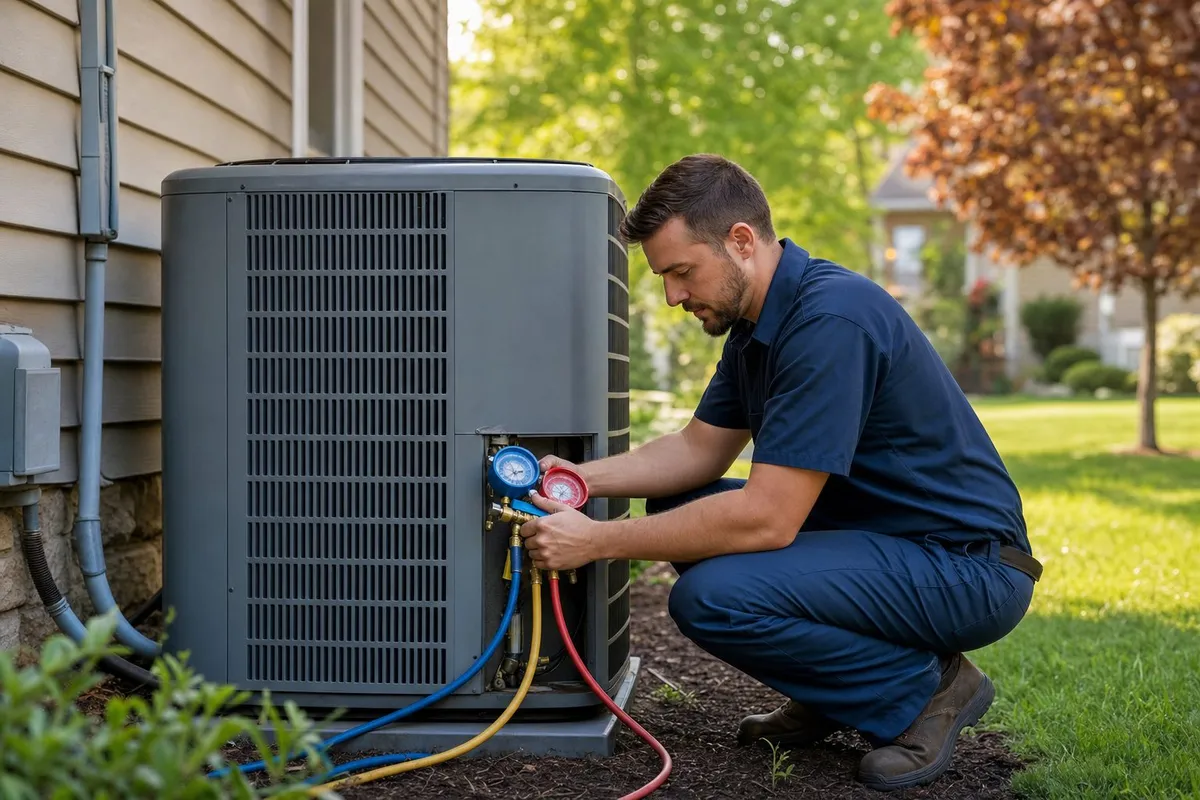
Cooling is the largest single load in a Texas home, and an air conditioner loses efficiency every year it runs — refrigerant charge drifts, coils foul, motors wear. A system 7 years or older is quietly doing the same job on more electricity every summer, and the gap compounds. This is why two identical houses on the same street can have bills $100 apart: one has a 15-year-old condenser working overtime, the other doesn't. If your system predates 2019 and your summer bills keep setting records, the machine — not the thermostat setting — is the story.
The fix that pays for itself: modern high-efficiency systems cut cooling consumption enough that, financed, the monthly savings can meet or beat the payment — and Texas utilities pay you to make the switch. Oncor applies incentives straight to the installation invoice in DFW, CPS Energy pays up to $310 per cooling ton in San Antonio — more for replacing a system that still works than a dead one — and Austin Energy rebates average $800. See what your home qualifies for → Texas rebate guide
2. Duct leaks you've never seen
Your cooled air travels through ducts in a 130° attic, and the average duct system leaks enough to matter — ENERGY STAR puts potential efficiency gains from duct sealing at up to 20%. You're paying to air-condition your attic. Symptoms: rooms that never cool, a system that runs constantly, dust everywhere. Duct sealing is among the cheapest fixes on this list, and several Texas utilities rebate it.
3. Attic insulation that stopped doing its job
Insulation settles, compresses, and in older homes was thin to begin with. In a Texas summer, an under-insulated attic pours heat back into the house all evening — which is why the AC keeps running at 9pm. CPS Energy pays $0.35 per square foot toward contractor-installed attic insulation; Oncor's program covers insulation through participating providers. More on insulation →
4. The water heater running 24/7
A standard tank keeps 40–50 gallons hot around the clock. Electric resistance tanks are the worst offenders — they're the second-biggest load in many homes. Tankless and heat pump water heaters cut that load hard, and the rebates are real: Atmos pays up to $300 on tankless in the DFW gas territory, and Austin Energy pays $1,000 on heat pump models. Compare the options →
5. The rate plan you signed two summers ago
Deregulated Texas means your rate is a contract, and expired contracts roll onto month-to-month rates that are rarely kind. Check your plan's end date and the rate you're actually paying versus what you signed. This one costs nothing to fix — but note that it moves the price per kWh, not the kWh. A tired HVAC system on a great rate is still a tired HVAC system.
6. Phantom loads and the always-on house
Game consoles on standby, old second fridges in the garage, pool pumps on single-speed motors. Individually small, collectively real. The pool pump is the sneaky one — a variable-speed replacement earns a up to $150 from CPS ($50 per horsepower) and pays for itself in San Antonio summers.
7. The thermostat fighting your schedule
A degree of cooling costs real money across a Texas summer, and a thermostat that cools an empty house at 2pm wastes it daily. Smart thermostats fix the schedule and get subsidized everywhere: $85 from PSO, $75 from Atmos, $50 plus annual bill credits from Austin Energy's Power Partner.
The pattern: fix the machine, not just the habits
Habits and rate plans trim the edges. The structural costs — the aging system, the leaking ducts, the thin insulation, the always-hot tank — are where Texas bills are actually won, and they're exactly what utility rebate programs exist to fix. The catch that catches everyone: most Texas programs only pay through participating contractors arranged before installation. Decide first, buy second.
Check what your home qualifies for — it takes two minutes and doesn't touch your credit → Start my rebate check
Frequently asked questions
What's a normal electric bill in Texas?
The 2024 EIA average was $163.72/month on 1,096 kWh — but summer months run far higher, and home size, system age and insulation swing it hundreds of dollars.
Does one hot month mean something's wrong?
No — but the same month costing more every year does. Rates explain some of it; a system losing efficiency explains the trend.
What's the single highest-impact fix?
For homes with 7+ year old HVAC: the system. Nothing else on the bill is as large, and it's the fix utilities subsidize hardest.
