Heat Pump vs Furnace: Which Fits a TX, OK or GA Home?
Short answer: A heat pump heats and cools with one electric system by moving heat instead of making it. A furnace only heats, so it pairs with a separate air conditioner, and it usually burns natural gas. The U.S. Department of Energy says heat pumps can cut electricity used for heating by about 50% compared with electric furnaces or baseboard heaters. That makes a heat pump the clear win over electric resistance heat. Against a gas furnace, the answer depends on gas prices, how cold your winters get and which rebates your utilities offer. In Oklahoma, the electric and gas utilities pay you to go in opposite directions.
No cost to check · No obligation · About 2 minutes
Last checked November 2, 2026. Program terms come from each utility's own page. The utility decides eligibility.
How each system works
- Heat pump: In summer it works like a central air conditioner, moving heat out of your house. In winter it reverses and pulls heat from the outside air into the house. DOE calls heat pumps "the most efficient form of electric heating," delivering up to three times more heat than the energy they use. Air-source heat pumps are the most common type and can be used in all climates.
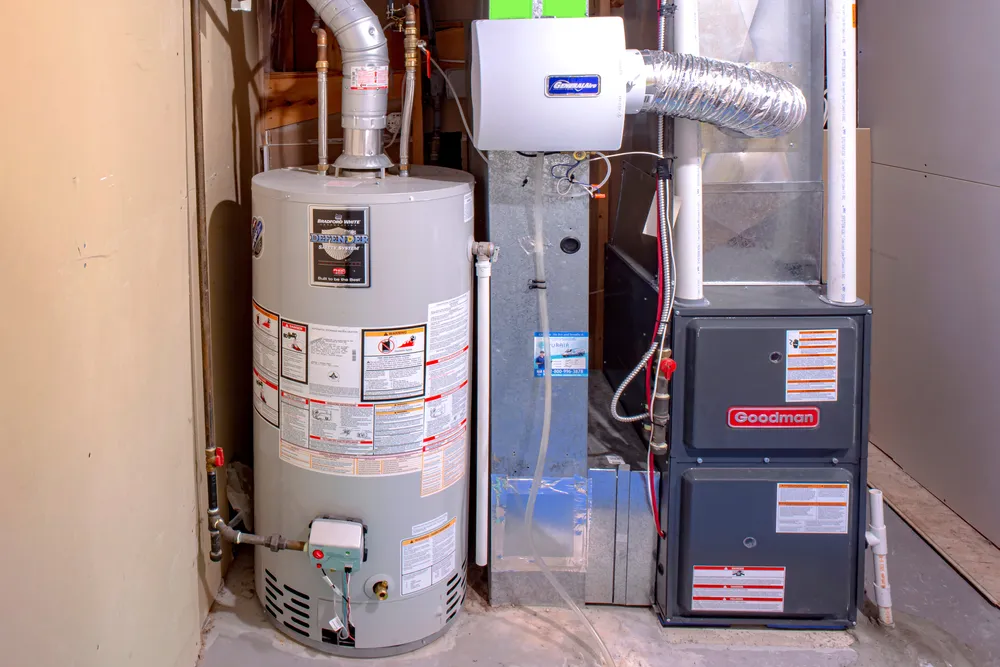
- Furnace: It burns natural gas or propane, or uses electric resistance coils, to make heat, then blows it through your ducts. DOE says furnaces are the most common way to heat a U.S. home and that most run on natural gas. Cooling still needs a separate air conditioner.
Heat pump vs. AC: A heat pump is an air conditioner that can also run in reverse. If you're replacing a central AC and have an electric furnace, a heat pump often replaces both jobs.
Heat pump vs. gas furnace: how to decide
Work through these four questions in order:
- What heats your home now? If it's an electric furnace or baseboard heat, a heat pump usually wins on operating cost. DOE says electric heat can be more expensive than other fuel options and that heat pumps are preferable in most climates when electricity is the only choice.
- Do you have a gas line? If you already have gas and a working furnace, swapping it out is mostly about comfort, rebates and long-term plans, not an emergency.
- How cold does it get? Most of Georgia, Oklahoma and Texas sits in IECC climate zones 2 through 4, according to DOE's Pacific Northwest National Laboratory county guide. The Texas and Oklahoma Panhandles are zone 4B, and a band of northern Oklahoma counties is 4A. In colder spots, ask about cold-climate heat pumps, or a dual-fuel setup that pairs a heat pump with a gas furnace for the coldest nights.
- What does your AC look like? If the AC is also near the end of its life (DOE suggests considering replacement after 10 years), pricing a heat pump against an "AC + furnace" pair is a fair, side-by-side comparison.
Heat pump vs. furnace cost
Upfront heat pump vs. furnace cost depends on tonnage, ductwork, efficiency tier and whether you're replacing one system or two. Ask each contractor to quote both options with the rebates already subtracted. DOE also notes that new efficient equipment alone can cut energy use by 20% or more, and that pairing it with insulation, air sealing and better thermostat settings can cut heating and cooling bills by about 30%.
Rebates that may apply to each choice (checked Nov 2, 2026)
Texas
- CPS Energy (San Antonio): heat pump and central A/C rebates up to $310 per cooling ton, depending on SEER2 tier and whether you replace early or after a breakdown. CPS Energy rebates
- Austin Energy: $1,000–$1,600 for a qualifying heat pump through Home Energy Savings, with a participating contractor and at least three qualifying upgrades. Austin Energy rebates
- Atmos Energy Mid-Tex (gas): $300 for a 90%+ AFUE gas furnace or $350 for 95%+, for the program year July 1, 2026 to June 30, 2027. Atmos rebates
Oklahoma
- PSO (electric): $600, $1,000 or $1,400 for an ENERGY STAR heat pump replacement by SEER2 tier, or $600 for a qualifying ductless mini-split. PSO rebates
- Oklahoma Natural Gas: $650 for a 95%+ gas furnace. It pays up to $2,900 to replace an electric furnace or heat pump with a 95%+ gas furnace (plus an air conditioner, when replacing a heat pump). ONG rebates 2026
Georgia
- Georgia Power: 50% of the cost, up to $1,500, to replace an electric furnace with an air-source heat pump. A licensed HVAC installer is required. Georgia Power rebates
- Georgia's state HEAR program has reopened for single-family homes, but only for wiring and panel upgrades done alongside a Home Efficiency Rebates (HER) project, not for heat pumps on their own.
Amounts can change, and funds can run out. Your utility decides eligibility.
Is a heat pump worth it?
A heat pump is usually worth it if:
- You heat with electric resistance today
- Your AC needs replacing anyway
- Your electric utility offers a heat pump rebate (PSO, CPS and Austin Energy currently do)
A gas furnace may still make sense if:
- You have an efficient furnace with years left
- Gas is cheap where you live
- Your gas utility's switching rebate is larger than any heat pump rebate you can get
Get both quotes.
Tips for whichever you choose
- Size it right. DOE warns that an oversized air conditioner performs less efficiently than a properly sized one, so ask for a load calculation.
- With a heat pump, don't set the thermostat back sharply if that kicks on backup electric-resistance heat, which DOE says is more expensive.
- Use a licensed installer. CPS requires a Texas-licensed HVAC contractor, and ONG requires an Oklahoma-licensed one.
The bottom line
In the heat pump vs. furnace debate, the right answer in Texas, Oklahoma or Georgia often comes down to what you heat with now and which rebates line up. Check what you may qualify for before you sign a quote.
No cost to check · No obligation · About 2 minutes
FAQ
Is a heat pump cheaper to run than a furnace?
Compared with an electric furnace, usually yes. DOE says heat pumps can reduce electricity used for heating by about 50%. Compared with a gas furnace, it depends on local electricity and gas prices.
Do heat pumps work in Oklahoma winters?
DOE says air-source heat pumps can be used in all climates, and cold-climate models are designed for colder areas. Most of Oklahoma is climate zone 3A. Northern counties are 4A and the Panhandle is 4B, per DOE's PNNL county guide.
What's the difference between a heat pump and an AC?
A heat pump is an air conditioner that can also reverse to heat your home. A standard AC only cools and needs a furnace for heat.
Are there rebates for heat pumps in Texas?
Some utilities offer them. As of November 2, 2026, CPS Energy lists up to $310 per ton and Austin Energy lists $1,000 to $1,600 through Home Energy Savings. Availability varies by utility, and the utility decides eligibility.
Why would a gas company pay me to replace a heat pump?
Gas utility rebates are designed to encourage gas equipment. Oklahoma Natural Gas lists up to $2,900 for replacing an electric furnace or heat pump with a 95%+ efficient gas furnace. Compare that offer with your electric utility's heat pump rebate.
